
Kilmington Community Cinema
|
Kilmington first film night was in March 2005 with “Vanity Fair” and shown with the support of Moviola’s mobile cinema unit providing all the equipment and projectionist.
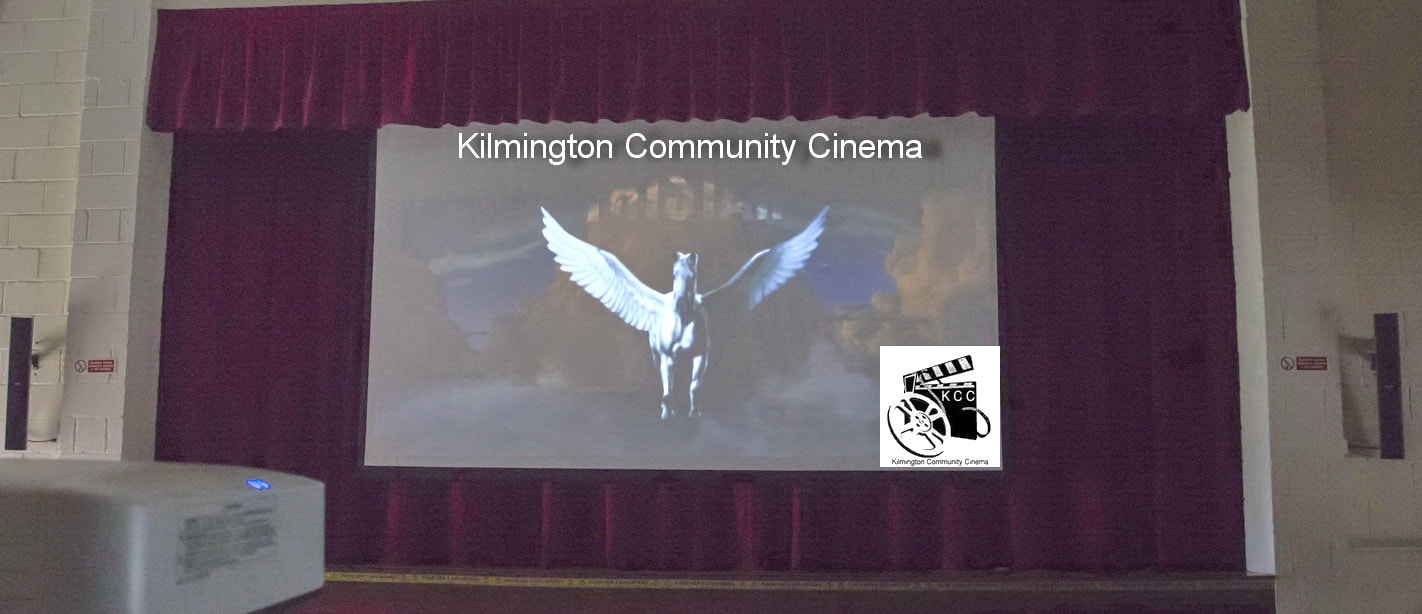
Following a successful Crowdfunding appeal, well supported by the Village Community, Local Clubs, Parish Council, EDDC and DCC, Kilmington Community Cinema (KCC) open their independently run film nights with “23 Walks” on the 9th June 2021. All profit from the film shows goes to the Village Hall and following the opening of the KCC in June 2021 up to June 2024 we have raised a total of £7,437 for the Halls maintenance fund through the support of our audiences and volunteers. The KCC is a run by volunteers. |
Tickets booked in advance (£5.00) or on the door (£5.50). To book please phone John Watts on 01297 521681 or email: [email protected][email protected]
|
Where The Crawdids Sing
Wednesday 10th July & Matinee Thursday 11th

Based on the best-selling novel written by American zoologist Delia Owens, the story follows two timelines that slowly intertwine. It is the story of Kya, an
abandoned girl who raised herself to adulthood in the dangerous marshlands of North Carolina. For years, rumours of the “Marsh Girl” haunted Barkley Cove,
isolating the sharp and resilient Kya from her community. Drawn to two young men from town, Kya opens herself to a new and startling world; but when one of them is found dead, she is immediately cast by the community as the main suspect. As the case unfolds, the verdict as to what actually happened becomes increasingly unclear, threatening to reveal the many secrets that lay within the marsh.
“Whether you have read the book or not, the mystery and romance is beautifully woven together and draped on the shoulders of Edgar-Jones's”. (Quote: Looper)
abandoned girl who raised herself to adulthood in the dangerous marshlands of North Carolina. For years, rumours of the “Marsh Girl” haunted Barkley Cove,
isolating the sharp and resilient Kya from her community. Drawn to two young men from town, Kya opens herself to a new and startling world; but when one of them is found dead, she is immediately cast by the community as the main suspect. As the case unfolds, the verdict as to what actually happened becomes increasingly unclear, threatening to reveal the many secrets that lay within the marsh.
“Whether you have read the book or not, the mystery and romance is beautifully woven together and draped on the shoulders of Edgar-Jones's”. (Quote: Looper)
Wednesday Doors and Bar open 6.45 and the evening’s entertainment starting at 7.15 and ending about 9.30. The Thursday matinee, Doors open 1.45 Film starts 2pm, come along and enjoy a film and have wine/soft drinks, ice-creams/tea/coffee. Cream Teas available during the matinee interval. Please state Wednesday or Thursday when booking and order your cream tea at the same time.
Tickets Pre-booked £5 or £5.50 on door, booking essential for the matinee. To book contact John 01297 521681 or email: [email protected].
Tickets Pre-booked £5 or £5.50 on door, booking essential for the matinee. To book contact John 01297 521681 or email: [email protected].
